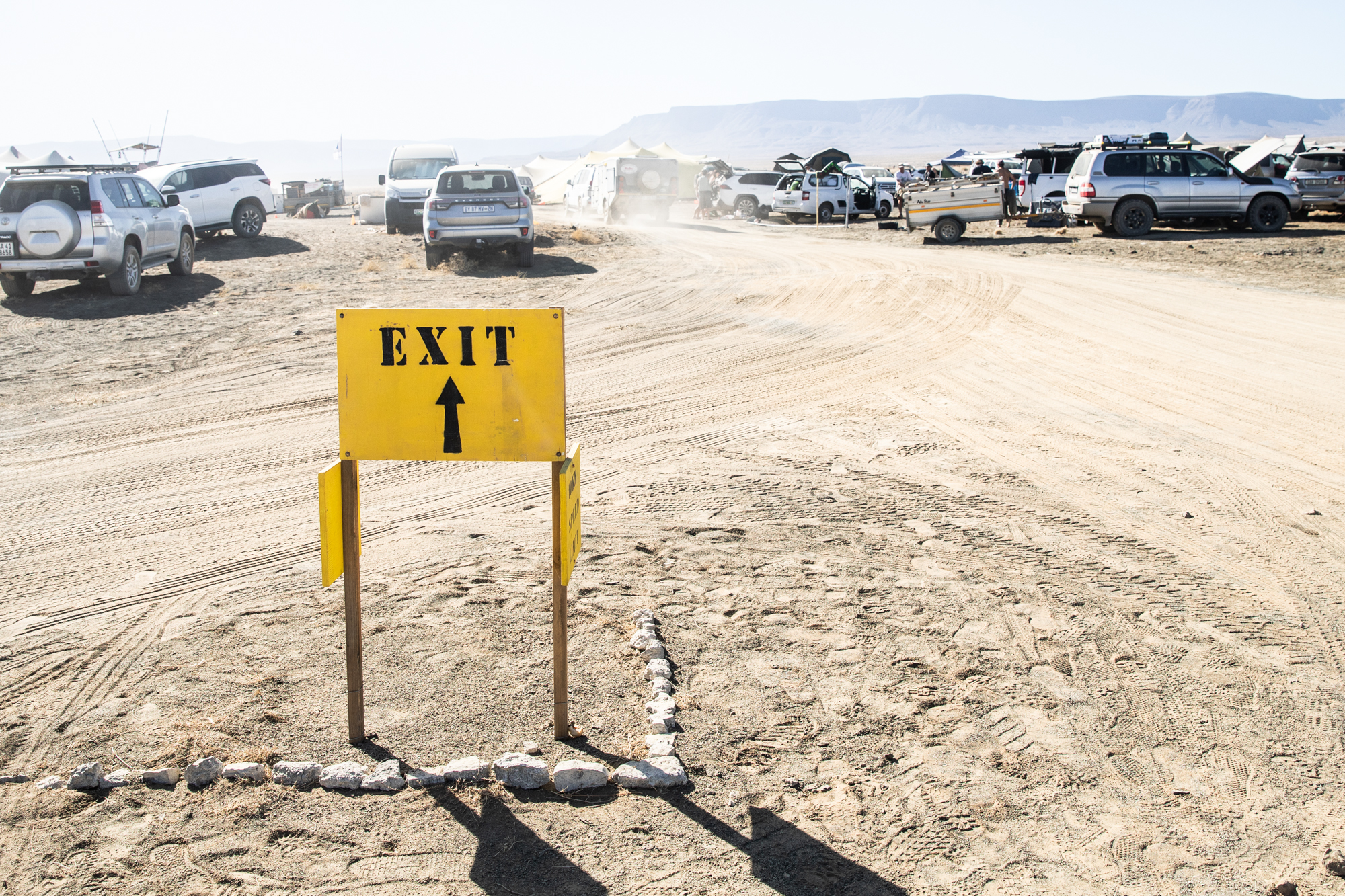
It is April 2026. 11000 people are about to descend into Tankwa Town – a town that didn’t exist until the pioneer crew dropped the first shipping containers on the event site some time in mid-March.
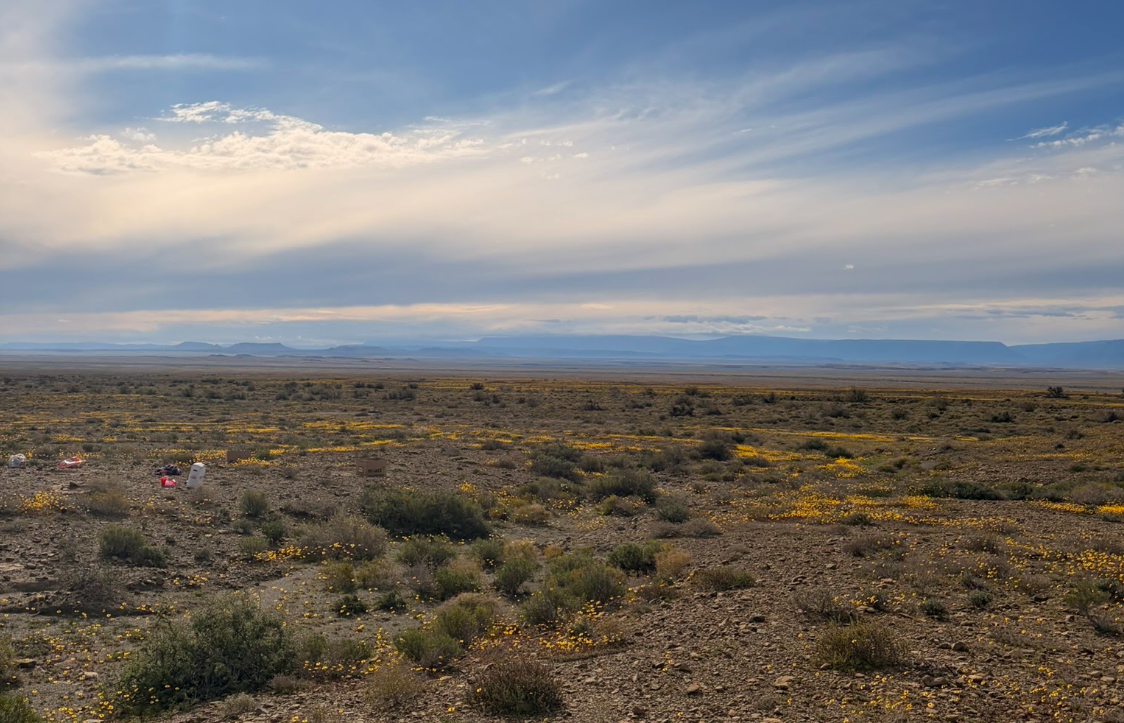
Herds of springbok and gemsbok roamed the area, slowly moving further away with each arriving truck – finding quieter and cleaner spaces to spend their days. More and more of these animals will return as people start to leave again. What will they find here?
Every year, AfrikaBurn hits like a wildfire. The first weeks of the build are relatively quiet, ramping up each week until the full force of light, sound and people is let loose on the desert. For a week, people party hard, have good experiences, bad experiences, mundane and profound experiences. Then, like waking from a fever dream, almost every person leaves all at once.
The build-and-breakdown crew stays another month, departing in groups each week until no one is left.
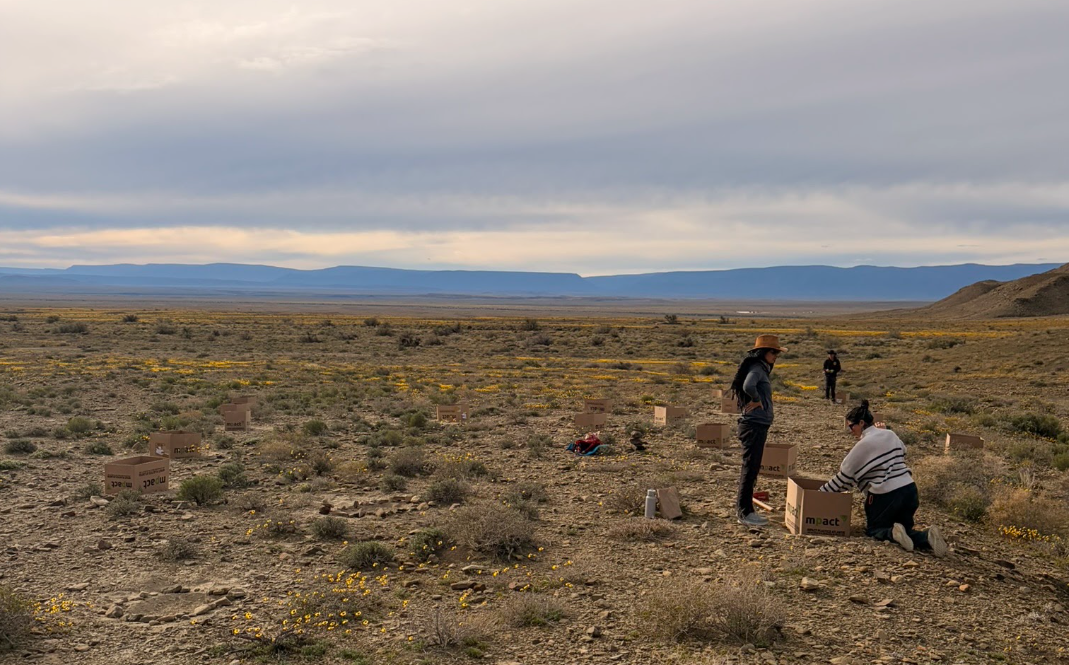
The site is large, and MOOP is everywhere. Some places are worse than others, but in the days after the event, it is impossible to walk more than two steps without walking into a cable tie or a ciggie butt or some other neglected MOOP left to bake in the sun. While most people are packing up their camps and cleaning up their own spaces (sometimes very well, occasionally quite badly), our small team starts the site-wide cleanup operation. Passionate, motivated and few. Trying to pick up every tiny piece of micro-moop down to the smallest flake of paint, while the larger community moves on with their lives in the afterglow of a pretty sweet burn.
This is not okay. To me, it shows that as a community, we are struggling to take care of our space and each other. The responsibility can’t fall to a tiny fraction of the Burn community to clean up after everyone else. That dynamic just isn’t a part of the world we are creating here.
Trash has to be fished out of every toilet, bos-kaks are picked out of the dunes, rice shrines have to be collected grain by grain by a handful of committed people, while the people who made these messes are nowhere to be seen.
I’m not sure of all the causes of this, but the solution is clear: communal responsibility. To use the land and systems here correctly and mindfully, learning from and educating others on how to do so. That means cleaning up both personal and public areas at AfrikaBurn. Why does MOOP accumulate around the town? Maybe because it is not nearly high enough on the priority list, or because the average accepted standard is not high enough.
Or perhaps it is a gap in education. We need to spread this culture far and wide, so that everyone at the Burn is part of the restoration solution. Then we have a real shot at leaving no trace.
Please, do the work and spread the message. We will succeed if we all work together.
Words: Pierre (DPW & LNT)